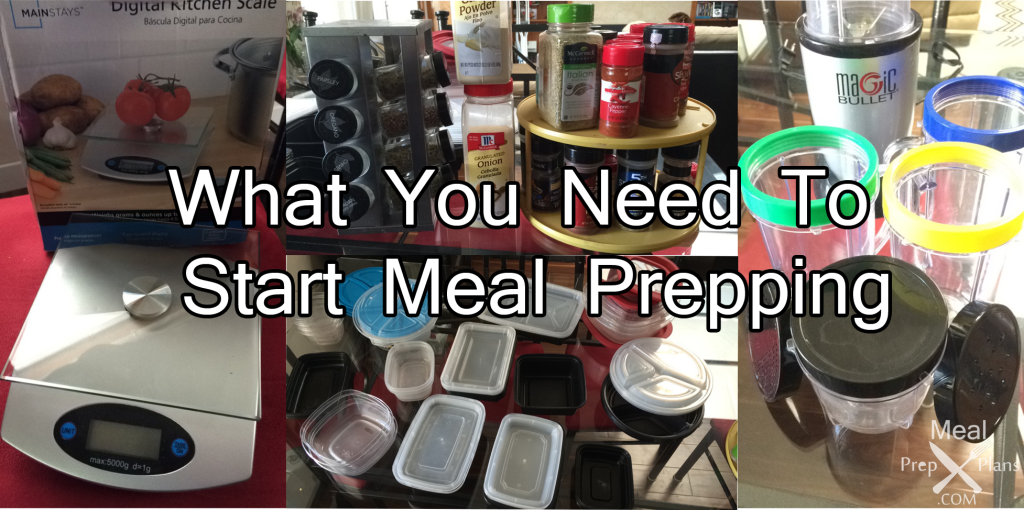
So, you want to get started meal prepping? Congratulations, and welcome! Deciding to cook your meals ahead of time is one of the kindest things you can do for your future self. In our kitchen, meal prep is what turns a hectic week into a calm one, and we’re excited to walk you through the basics from the ground up.
What Is Meal Prep (and Why It Helps)
Meal prep simply means cooking and portioning your food in advance, usually a few days’ worth at a time, so it’s ready to grab when you’re hungry. Instead of scrambling to figure out dinner every night, you open the fridge and there it is: a balanced meal, already made.
The payoff is bigger than convenience. When you prep ahead, you eat more wholesome, home-cooked food and lean less on takeout. You save money by buying in bulk and wasting fewer groceries, and you save time by cooking once instead of five times. Best of all, you get the peace of mind of knowing your week is handled.
Getting Started: Pick Your Goal, Plan Your Menu, Shop Smart
Before you turn on the stove, take five minutes to plan. This is the step beginners skip, and it’s the one that makes everything else easier.
Pick your goal. Are you prepping to eat healthier, to save money, to hit certain macros, or just to stop the nightly “what’s for dinner?” panic? Your goal shapes your menu. There’s no wrong answer here, so choose what fits your life right now.
Plan your menu. Start small. Pick two or three simple meals for the week rather than trying to cook a different dish every day. A great beginner formula is one protein, one carb, and one or two vegetables per meal. Repeating meals is not boring, it’s efficient, and you can vary the seasoning to keep things interesting.
Shop smart. Write a list based on your menu and stick to it. Quality ingredients are your top priority, balanced with your budget. Warehouse stores like Costco or Sam’s Club are wonderful for bulk staples such as chicken, ground turkey, rice, and spices, and a membership pays for itself quickly if you cook often.
Essential Tools and Gear
You don’t need a fancy kitchen to start. A handful of reliable tools will carry you a long way.
Meal prep containers.
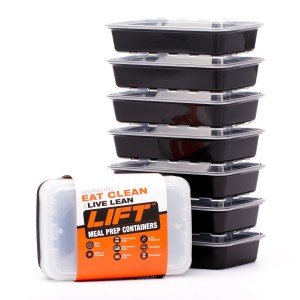
Single-serving containers are the backbone of meal prep. They hold your pre-portioned meals, they’re microwaveable, washable, and stack neatly in the fridge. Look for BPA-free meal prep containers like the ones pictured above. When you cook, keep the next two days of food in the fridge and send the rest to the freezer so it lasts longer. Then just grab, microwave, and eat.
A good food scale.
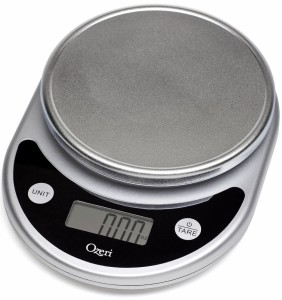
If you care about portions or macros, a digital kitchen food scale takes the guesswork out of how much protein, carbs, and veggies go into each meal. Choose one large enough to hold your containers and easy to wipe clean, ideally stainless steel. A scale like this weighs up to about 11 pounds, which is plenty for home cooking, and cleaning it well after raw meat helps you avoid cross-contamination.
A blender.
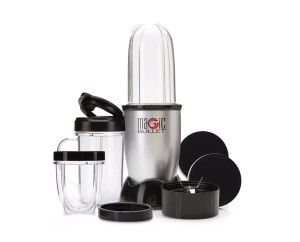
A compact personal blender is endlessly useful for protein shakes, breakfast smoothies, sauces, and even chopping. It’s easy to wash and store, and a sturdy one lasts for years. We reach for ours more than twice a day, and it’s the star of our protein pancake recipe.
Spices and a good knife.
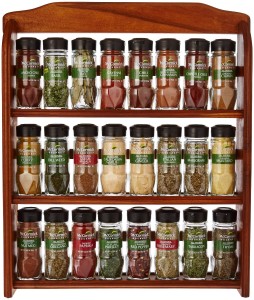
Seasoning is what separates bland food from a dish you actually crave. Start with a small spice starter set and add one new spice each shopping trip. Our go-to blend for basic chicken is onion powder, paprika, garlic powder, salt, and pepper. Once you’re comfortable, try mixing your own, like our homemade taco seasoning blend. And don’t overlook a sharp chef’s knife and sturdy cutting board, they make every session faster and safer.
Beyond these, you likely already have the essentials: an oven, stove, and microwave, a fridge and freezer, plus pots, pans, and measuring cups. A few glass storage jars are handy too, for overnight oats, dressings, and bulk grains.
A Simple Weekly Meal-Prep Workflow
Here’s a beginner-friendly rhythm that batches everything at once, usually in about two hours on a weekend.
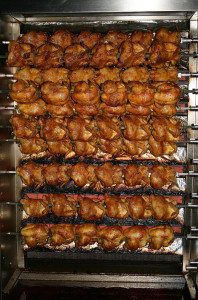
1. Cook your proteins in bulk. Bake a big tray of chicken, brown a batch of ground turkey, or take the shortcut and grab a pre-cooked rotisserie chicken (Costco’s runs about $6). Season generously.
2. Batch your carbs. While the protein cooks, simmer a large pot of rice, quinoa, or roast some potatoes. One big batch covers several meals.
3. Roast or steam your veggies. Sheet-pan broccoli, peppers, and green beans roast alongside your protein with almost no extra effort.
4. Portion and store. Divide everything into your containers, one protein, one carb, one veggie per box. Refrigerate the next couple of days and freeze the rest.
Prep a batch of grab-and-go snacks too, like our no-bake energy bites, so you’re covered between meals.
Storage and Food-Safety Basics
Good prep is safe prep. A few simple timelines keep your food fresh and your stomach happy.
- Fridge: Most cooked meals keep 3 to 4 days. Refrigerate within two hours of cooking.
- Freezer: Cooked proteins and full meals last 2 to 3 months. Label containers with the date so nothing gets lost.
- Reheating: Warm food until it’s steaming hot all the way through. Add a splash of water to rice or veggies to keep them from drying out.
- Cross-contamination: Use separate cutting boards for raw meat and produce, and wash tools and your scale thoroughly after handling raw chicken.
Beginner Mistakes to Avoid
- Prepping too much too soon. Start with two or three days of meals, not a whole month. Build the habit first.
- Under-seasoning. Bland food is the fastest way to quit. Season boldly.
- Forgetting variety. Repeat your base ingredients, but switch up sauces and spices so you don’t get tired of them.
- Skipping the freezer. Freeze the meals you won’t eat in the first few days so nothing spoils.
- Using flimsy containers. Leaky or non-microwaveable boxes cause daily frustration. Invest in a solid set.
Frequently Asked Questions
How many days of meals should I prep at once?
For beginners, two to three days is the sweet spot. It keeps food fresh in the fridge and lets you build the habit before scaling up to a full week with freezer meals.
Do I really need a food scale?
Not to start, but it helps a lot if you’re tracking macros or portion sizes. Many preppers begin by eyeballing portions and add a scale once they want more consistency.
How long does prepped food last in the fridge?
Most cooked meals stay good for 3 to 4 days refrigerated. Anything you won’t eat in that window should go in the freezer, where it keeps for 2 to 3 months.
What are the easiest meals for a beginner to prep?
Simple protein-carb-veggie combos win every time, like chicken with rice and broccoli. Rotisserie chicken and sheet-pan veggies make it almost effortless.
You’ve got everything you need to start, so pick two meals and give it a try this week. We’d love to hear how your first prep goes, drop us a comment below and tell us what you made!